30-year mortgage rates reached 7.40%, threatening a California homebuilding market that held steady through mid-2026 and giving C-13 fence contractors reason to pursue public projects, multifamily, and maintenance through 2027.
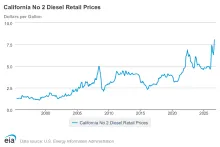
California fence contractors face shrinking net profits due to rising fuel costs, but they can protect their margins by implementing variable fuel surcharges, optimizing crew routes, and tightening job-site estimates.
Recent economic data reveals that while direct imports from China into the United States have sharply fallen, Chinese manufacturing continues to reach American job sites through third-party supply routes in Southeast Asia.
As high interest rates stall housing starts across California, C-13 contractors are discovering that being last on the construction site often means being last to get paid.
As California fire regulators refine statewide "Zone 0" draft rules, local ordinances and insurance demands are already forcing fence contractors to install noncombustible transitions where fences connect to structures.
As long-term borrowing costs tick upward following the Federal Reserve's July rate hold, California fence contractors face tightening project margins and cautious commercial clients.
State regulators prepare targeted enforcement and municipal data-sharing initiatives as study reveals unlicensed operators outnumber licensed contractors three-to-one in online advertising.
Standardizing wood fence fabrication and installation around ASTM F537 offers contractors a practical shield against liability, costly call-backs, and procurement disputes.
Escalating US-Iran military strikes in the Persian Gulf region and steep freight surcharges are driving up landed costs for UAE-manufactured steel pipe, forcing California fence contractors to recalculate job estimates.